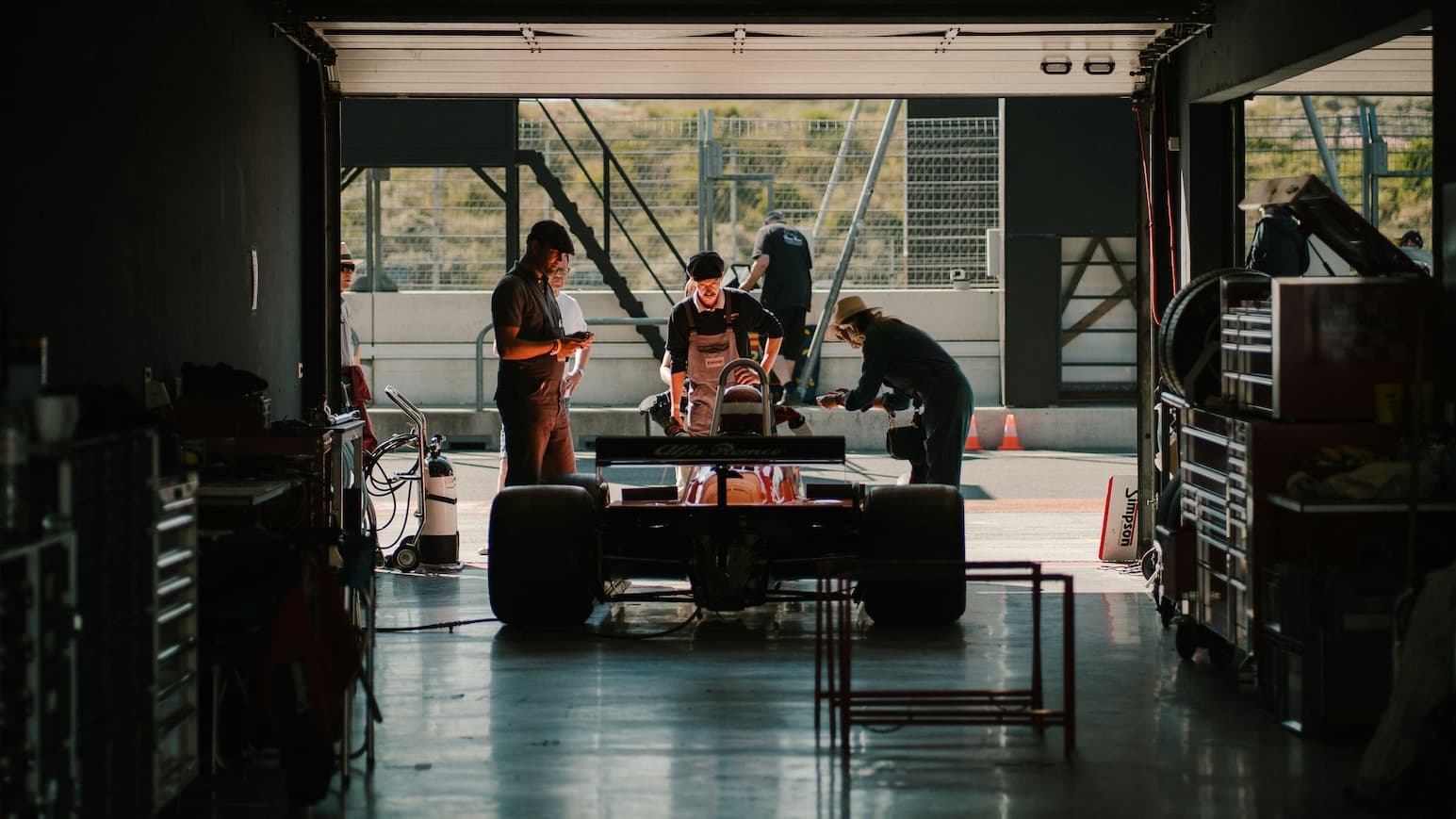
Typically, the picture that comes to mind when one thinks of Formula 1 are of loud engines, sharp curves, and courageous overtaking. Yet for the punters at events through sites such as 22Bet, the major drama occurs at the places where the vehicles very temporarily halt; the pit lane. There exists a pit stop every time that is covered with betting value because it might lead to a race change. Knowing the mechanics of pit strategies is one of the cleverest things to do in order to gain an advantage in Formula 1 betting.
Why Pit Stops Matter in Betting
Pit stops are not just breaks for new tires or refueling; they are moments that decide who wins and who falls behind. A one-second delay can cost a driver several positions. When betting, the timing of a pit stop can either boost or destroy your bet’s potential. Teams plan their stops based on tire wear, track temperature, and even weather forecasts. If you pay attention to these factors before a race, you can spot which drivers are more likely to gain time from their strategy. That’s where the betting value hides, inside those small windows of opportunity.
The Underrated Power of Strategy
A strategically timed pit stop is comparable to a secret weapon. Certain squads opt for an early stop in order to acquire clean air and quickest laps, while others hedge their bets and wait for the ideal moment to apply soft tires at the end of the race. Each of these options could be a logical decision, depending on the nature of the circuit. For instance, at highly confined venues such as Monaco, the track position is worth more than the fresh tires, thus the teams’ less frequent pitting is seen. Conversely, at more open circuits like Silverstone, allowing multiple stopovers is a way for drivers to exert more. Those who place their bets based on these trends are usually the first ones to detect a mismatch between a driver’s plan and the track’s character, and it is at this point when they come across the true value of betting.
Reading Between the Seconds
During a live race, the pit stop data can reveal more than it seems. Watching the time difference between competitors before and after stops helps you predict how the race will unfold. If a team releases a car into clear space, that driver can push harder and cut down seconds. If the pit crew delays even slightly, those lost seconds can ruin a strong bet. Serious bettors often monitor “undercut” and “overcut” strategies. The undercut is when a driver pits earlier to get faster laps on new tires, while the overcut means staying out longer to take advantage of a clean track. Knowing which will work better in each race makes betting far more precise.
How Weather and Safety Cars Affect It
Rain, changing temperatures, or an unexpected safety car can flip every strategy on its head. A well-timed pit stop under safety car conditions can turn a struggling driver into a podium finisher. Bettors who understand how these factors influence pit decisions often spot value before everyone else. Sometimes, a bet looks lost halfway through a race, but one sudden pit stop can reverse everything.
The Smart Way to Use Pit Stop Data
If you’re betting seriously, don’t just follow the odds. Study team tendencies, tire choices, and how long pit stops usually take. Teams like Red Bull often execute stops in under 2.5 seconds, while others lose crucial time. Small differences like that matter when every lap counts.
Pit stops are the heart of Formula 1 strategy. They turn races upside down in seconds and reward those who pay attention to details others miss. In betting, the real value comes not from luck but from understanding timing and tactics.
Author

webmaster@108monkeys.org
Related Posts

Using Team and Player Analysis to Elevate Your Soccer Betting Strategy
Soccer betting is not a guessing game. Well, at least, it shouldn’t be. Successful bettors move beyond surface-level stats and mainstream commentary....
Read out all
Micro-Betting, Player Props, and the Future of In-Play Innovation
After PASPA was repealed, U.S. sportsbooks asked if micro-betting would grow or vanish fast. Six years later, micro-betting is now a key...
Read out all
Why Some Bettors Only Play Parlays Despite Odds
Over and over again, if you are a frequent user of betting sites like TonyBet, you will become aware of a peculiar...
Read out all
The History of Betting: From Ancient Rome to Online Apps
Betting has been part of human culture for thousands of years, evolving alongside society and technology. From simple wagers in ancient civilizations...
Read out all
How to Bet Responsibly Without Losing Control
Betting can be an entertaining and potentially profitable activity, but it carries inherent risks if not managed carefully. Many players experience stress,...
Read out all