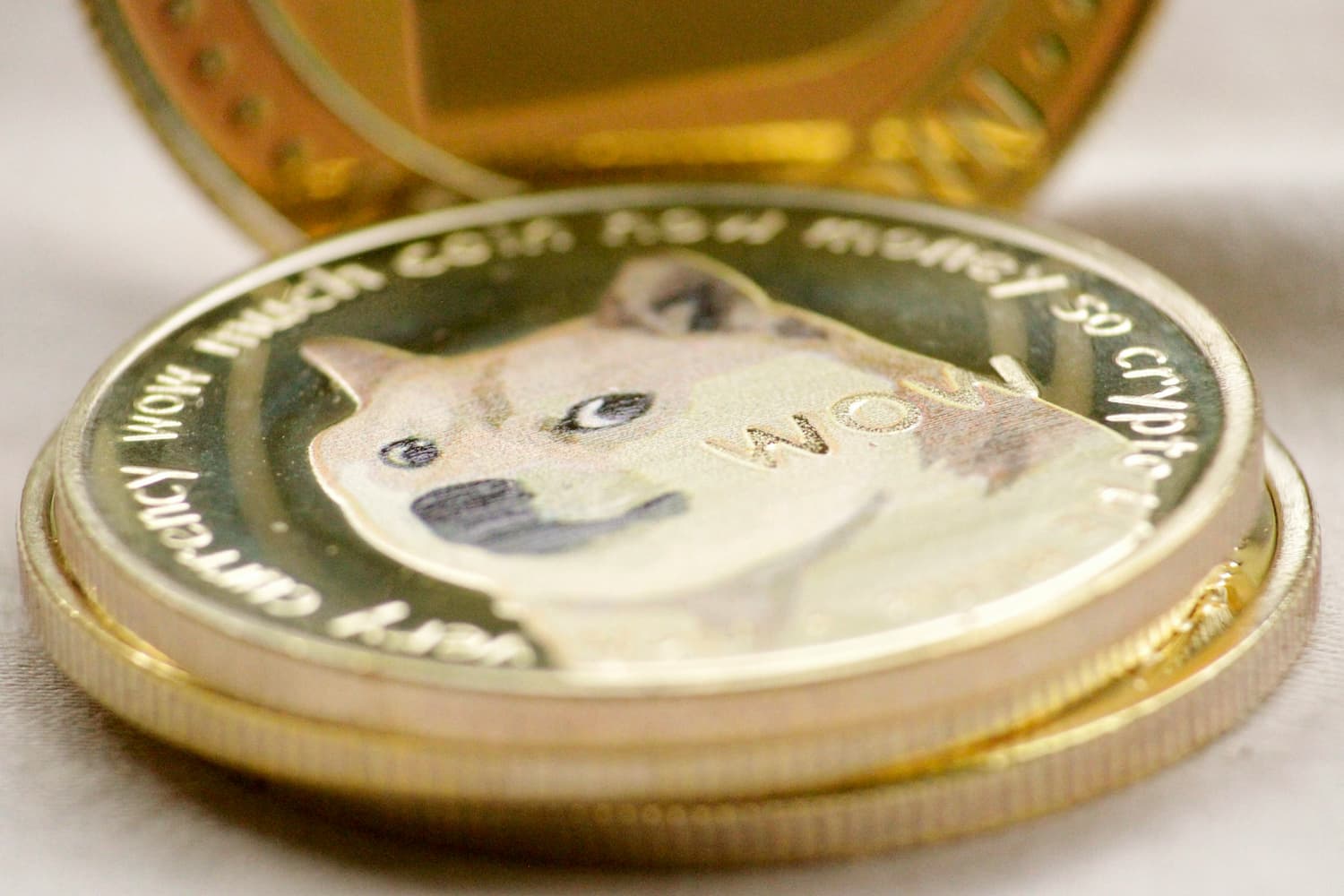
Memes move fast. One day, a dancing cat or sarcastic caption rules social media. The next, it’s forgotten. Now, people are betting on memes. They guess how long a meme will last, when it will be most popular, and if it will change into something new. It’s digital culture meeting prediction markets in a strange but fascinating way.
When Humor Becomes A Statistic
What started as casual fun has become a data game. Memes can now be tracked through engagement graphs, repost counts, and trend velocity. Bettors use this data to forecast how long a meme stays relevant. Some even build spreadsheets, measuring virality as if it were a stock price. It’s funny and analytical at once — a blend of humor and market science at 22Bet.
The Anatomy Of A Viral Moment
Every meme has a pattern. It starts small, spreads fast, peaks, and then fades. Bettors watch this like weather forecasters watch storms. They look for early signs — fast reposts, celebrity interaction, or brand adoption. When a meme gets used in ads or politics, it usually signals the beginning of its decline.
Why People Bet On Memes
At first glance, it sounds absurd — betting on jokes. But for some, it’s about understanding internet behavior. Predicting which meme will survive or die tests cultural awareness. It’s like predicting trends in music or fashion. For others, it’s pure entertainment — a low-stakes way to engage with online culture while trying to read the crowd’s humor.
Data-Driven Humor Forecasting
New tools track meme lifecycles in real time. They measure post frequency, hashtag saturation, and engagement half-lives. AI even detects when a meme changes form — like how the “Distracted Boyfriend” evolved into dozens of new variations. Bettors use these analytics to place bets on how many days, weeks, or remixes a meme will last before disappearing.
A Market Built On Laughter
Some platforms have started offering meme prediction pools. Users wager on questions like “Will this meme still trend next month?” or “Which format will replace it?” It’s all fun and lighthearted, with most betting done through digital tokens or credits. The markets often close when the meme drops out of the top search results or stops being shared widely.
When Brands Enter The Picture
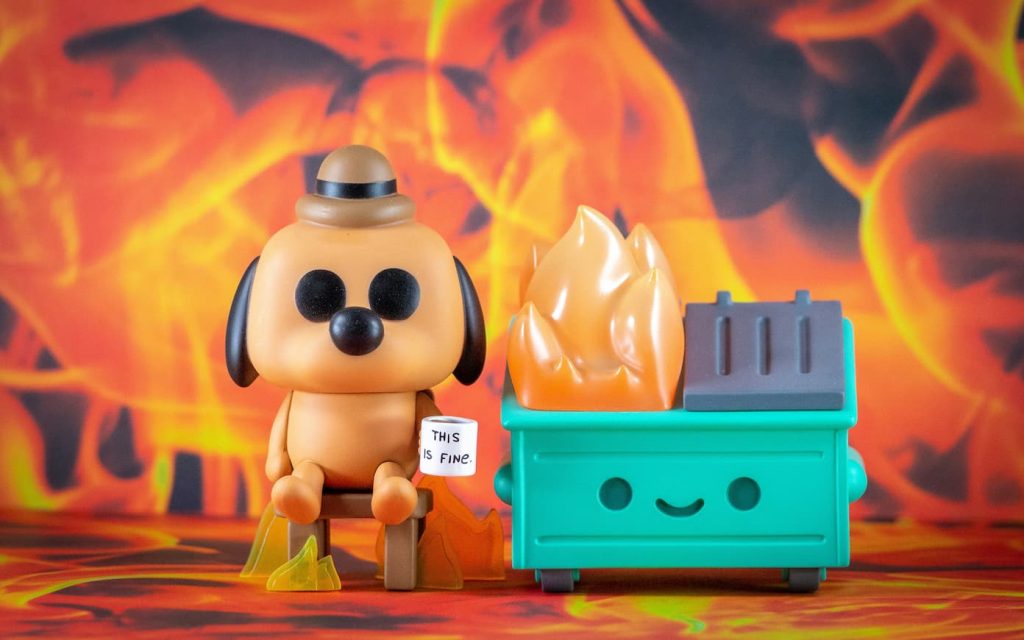
Once a meme gets picked up by major brands, it often signals the end of its organic life. Bettors call this the “corporate phase.” When a joke becomes an ad campaign, it loses its spark. Predicting when a meme will hit this stage is part of the strategy. Some even bet on whether it will survive the transition or collapse under overexposure.
The Ethics Of Betting On Culture
Betting on memes may seem harmless, but it raises questions. Is it right to turn creative expression into a gambling tool? Supporters argue that memes belong to the public and betting is just another form of commentary. Critics worry it could commercialize what was once free-flowing creativity. Like most internet trends, it’s a mix of fascination and discomfort.
Humor As Digital Currency
In online spaces, humor is a form of social capital. The faster someone spots a dying meme, the smarter they look. Bettors capitalize on this timing. Being early means profit — or at least bragging rights. The culture around meme betting values not just luck, but awareness, irony, and quick adaptation to the web’s fast humor cycles.
Where This Could Lead Next
If this trend grows, meme prediction could merge with AI forecasting. Algorithms might soon predict which formats will go viral before humans do. Betting platforms could track this data, rewarding users who align with machine predictions. It could even evolve into a cultural analytics industry, where humor becomes both entertainment and investment.
Author

webmaster@108monkeys.org